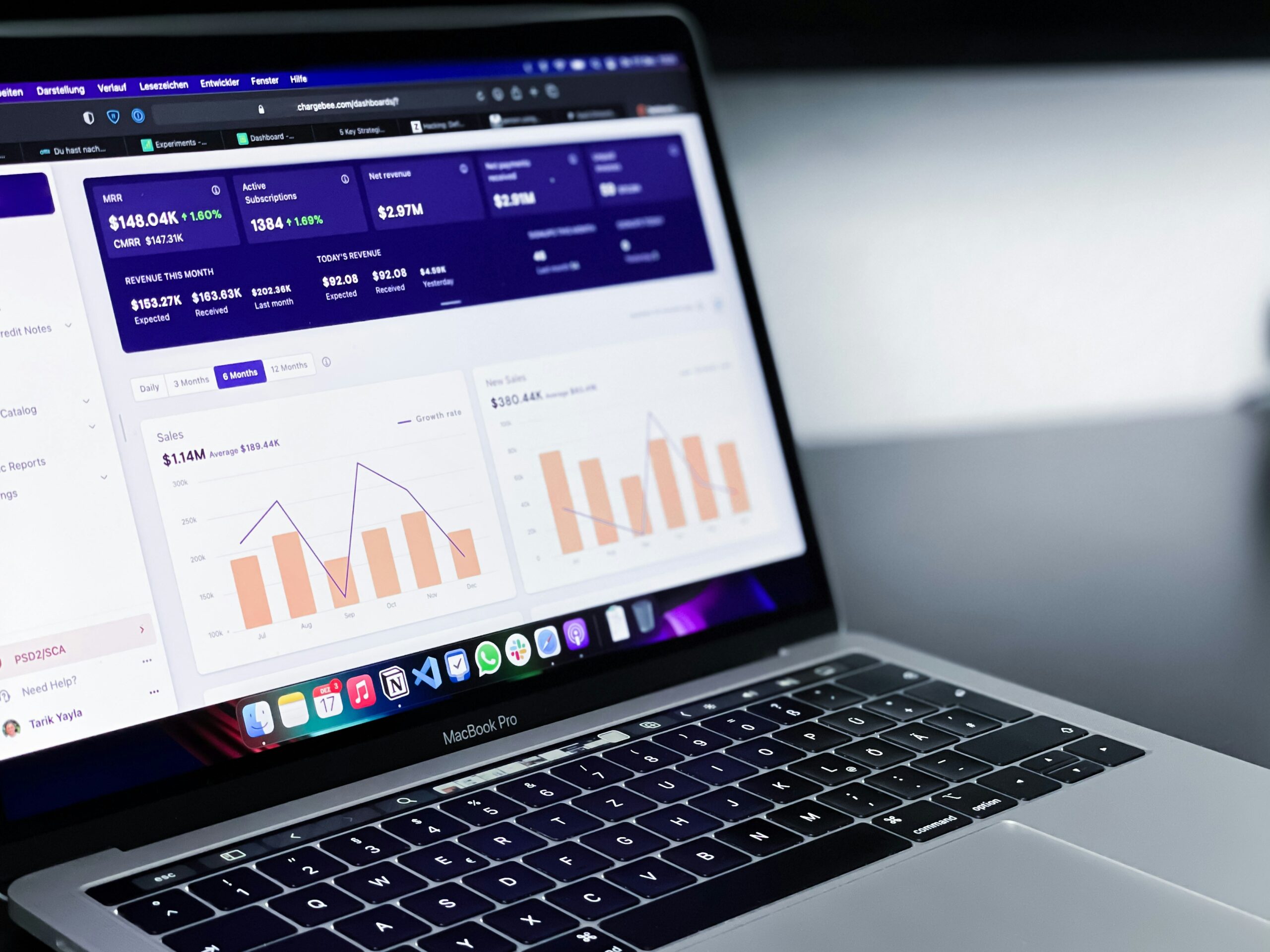
The world of digital marketing is changing right now. As we move through 2026, artificial intelligence has gone from being just a buzzword to something businesses need to survive. Privacy rules are still reshaping how we connect with customers, and the gap between big companies with lots of data and small businesses is either getting bigger or smaller — depending on the choices we make today.
Understanding the Current Landscape
Consumers today have high expectations. They want personalised experiences, quick responses, and genuine connections. In this competitive environment, it’s not always the small businesses with the biggest budgets that succeed. Instead, it’s those who make smart decisions based on data about where to invest their time, energy, and marketing money.
Here’s what’s shaping digital marketing in 2026:
- AI-powered tools: These have made capabilities that were once only available to large corporations accessible to everyone, including small businesses.
- Predictive analytics: This technology is now within reach of businesses operating from spare bedrooms and high street shops alike.
- Privacy-first marketing: What used to be a compliance headache has now become a competitive advantage.
- Blurring lines between physical and digital experiences: Your customers no longer see a distinction between online and offline interactions, so your marketing strategy shouldn’t either.
The Importance of Data-Driven Strategies
Data-driven strategies are no longer optional for small businesses. They have become essential for survival in today’s competitive landscape. They’re what separate successful businesses from those struggling to understand their customers’ needs. They’re the key to optimising marketing budgets by investing in proven approaches rather than relying on guesswork. And they’re critical for staying relevant in an age where consumer preferences change rapidly.
Navigating the Challenges Ahead
Feeling overwhelmed by all these changes? You’re not alone. The marketing technology landscape seems to introduce new tools every week, each claiming it can transform your business overnight. Privacy regulations add layers of complexity just when you think you’ve got them figured out. And as competitors embrace AI technologies, it’s natural to worry about falling behind.
Rather than succumbing to fear or confusion, we can take a proactive approach to navigating these challenges together. This article aims to cut through the noise surrounding small business marketing in 2026 and provide practical strategies that are applicable right now, not in some distant future or idealised past.
We’ll explore:
- How AI and automation can enhance your marketing without replacing the human touch that makes your business unique
- The role of predictive analytics in making smarter decisions about where and when to reach your customers
- Why first-party data has become your most valuable asset and how to collect it ethically
- Strategies for blending physical and digital experiences that create memorable customer journeys
- Social media approaches tailored specifically for small business resources and realities
- The importance of authentic storytelling in an age of AI-generated content
- Real challenges you’ll face implementing these strategies — and how to overcome them
You don’t need a data science degree or a six-figure marketing budget to compete effectively in 2026. What you need is clarity about which strategies actually work for businesses like yours, along with the confidence to put them into practice.
1. The Rise of AI and Automation in Small Business Marketing
Artificial intelligence has shifted from being a futuristic concept to an everyday reality for small businesses in 2026. You no longer need a massive budget or a dedicated tech team to harness the power of AI marketing tools. The technology has become accessible, affordable, and remarkably intuitive.
Transforming Content Creation with AI
Content creation used to consume hours of your day. Now, AI tools like ChatGPT, Gemini, and Copilot have changed how you approach everything from blog posts to social media captions. These platforms don’t just generate text — they understand context, adapt to your brand voice, and produce content that genuinely resonates with your audience.
Small business owners have reported reducing their content production time by 60% whilst maintaining quality. You can feed these tools your brand guidelines, previous successful posts, and target audience insights. The AI then crafts content that aligns with your established voice. ChatGPT excels at conversational content and blog writing, Gemini integrates seamlessly with Google’s ecosystem for research-backed content, and Copilot works brilliantly within Microsoft applications for business documentation and presentations.
The real value comes from using these tools as collaborative partners rather than replacement writers. You provide the strategic direction, industry expertise, and human insight. The AI handles the heavy lifting of drafting, structuring, and initial ideation. This partnership approach ensures your content retains authenticity whilst benefiting from AI efficiency.
Revolutionising Customer Service Through Intelligent Chatbots
Customer service expectations have skyrocketed. Your customers expect instant responses at 2am on a Sunday. Marketing automation through chatbots makes this possible without burning out your team.
Modern chatbots have evolved far beyond the clunky, frustrating experiences of the past. They now understand natural language, detect customer sentiment, and provide genuinely helpful responses. You can deploy them across your website, Facebook Messenger, Instagram, and WhatsApp to create a consistent support experience.
Here’s what chatbots handle brilliantly for small businesses:
- Instant FAQ responses — answering common questions about opening hours, pricing, and product availability
- Appointment scheduling — booking consultations or services directly through conversation
- Order tracking — providing real-time updates on purchase status
- Lead qualification — gathering essential information before passing prospects to your sales team
- Product recommendations — suggesting items based on customer preferences and browsing behaviour
The beauty of chatbots lies in their ability to learn from every interaction. They become smarter over time, understanding your customers’ language patterns and common concerns. You can review conversation logs to identify gaps in your service or products that need better explanation.
Automated Workflows That Free Your Time
Marketing automation extends far beyond chatbots. Automated workflows orchestrate entire customer journeys without constant manual intervention. You set up the rules once, and the system executes them flawlessly.
Consider email marketing automation. When someone downloads your lead magnet, they automatically receive a welcome sequence. If they click on a specific product link, they enter a nurture sequence tailored to that interest. Abandoned basket? An automated reminder goes out. Birthday approaching? A special offer lands in their inbox. You’re not manually sending these emails — the system handles it based on triggers and behaviours you’ve defined.
Social media scheduling tools with AI capabilities now suggest optimal posting times and recommend content topics based on trending conversations, making it easier than ever to maintain a consistent presence without being glued to your phone.
2. Leveraging Predictive Analytics for Smarter Marketing Decisions
Predictive analytics represents one of the most powerful shifts in how small businesses approach marketing in 2026. You’re no longer limited to reactive strategies based on what happened last month or last quarter. Instead, you can now anticipate what your customers will do next, where they’ll engage, and what messages will resonate before you spend a single pound on advertising.
At its core, predictive analytics uses historical data, statistical algorithms, and machine learning techniques to identify the likelihood of future outcomes. For your small business, this means transforming raw customer data into actionable intelligence that drives campaign success. You’re essentially gaining the ability to see around corners in your market, spotting opportunities and potential pitfalls before your competitors do.
When you implement predictive analytics properly, you can expect to see improvements across multiple metrics: your conversion rates increase because you’re targeting the right people at the right time with the right message; your customer acquisition costs drop because you’re not wasting budget on audiences unlikely to convert; and your customer lifetime value grows because you’re identifying high-value prospects early in their journey.
Understanding Audience Behaviour Prediction
Audience behaviour prediction goes beyond simple demographic targeting. You’re now able to analyse patterns in browsing behaviour, purchase history, engagement metrics, and even external factors like seasonality or economic indicators to forecast what your customers will do next.
Consider how this works in practice. Your e-commerce store collects data every time someone visits your website: which products they view, how long they spend on each page, what they add to their basket, and whether they complete the purchase. Predictive analytics tools process this information alongside data from thousands of other customer interactions to identify patterns.
You might discover that customers who view a specific product category three times within a week are 67% more likely to make a purchase within the next 48 hours. Armed with this insight, you can trigger automated email campaigns or retargeting ads precisely when that customer is most receptive. You’re not guessing anymore — you’re working with data-backed predictions.
The sophistication of audience behaviour prediction in 2026 extends to micro-moments throughout the customer journey. You can identify:
- Which customers are at risk of churning based on declining engagement patterns
- Who is most likely to respond to a discount offer versus a premium product launch
- What time of day individual customers are most likely to open emails or engage with social media content
- Which product recommendations will generate the highest conversion rates for specific customer segments
Optimising Ad Placements Through Data Intelligence
Your advertising budget deserves better than the spray-and-pray approach. Predictive analytics transforms how you allocate spend across channels, platforms, and audience segments.
Traditional ad placement strategies rely heavily on broad demographic data and basic performance metrics. You might target “women aged 25–45 interested in fitness” and hope for the best. Predictive analytics allows you to drill down with precision that was impossible just a few years ago.
You can now predict which specific audience segments will deliver the highest return on ad spend before you commit your budget. The technology analyses historical campaign performance, competitor activity, seasonal trends, and real-time market conditions to recommend optimal ad placements. Make sure you use these recommendations or you’ll end up using your ad budget inefficiently.
3. Navigating Privacy Changes: First-Party Data as the New Gold Standard
The digital marketing landscape you’ve relied on for years is undergoing a seismic shift. Privacy regulations like GDPR and the UK’s Data Protection Act have already reshaped how you collect customer information, but 2026 brings even stricter enforcement and new legislation that demands your immediate attention. You can no longer depend on third-party cookies to track user behaviour across the web — major browsers have phased them out, and the advertising ecosystem that once thrived on this data is fundamentally different.
This isn’t a challenge to fear. It’s an opportunity to build something more valuable: direct relationships with your customers through first-party data.
The Real Impact of Privacy Laws on Your Marketing Strategy
Stricter privacy laws affect every aspect of your digital marketing strategy. You’re now required to obtain explicit consent before collecting personal data, and vague privacy policies no longer suffice. Your customers want to know exactly what data you’re collecting, why you need it, and how you’ll use it. The penalties for non-compliance have become substantial enough to threaten small businesses — fines can reach millions of pounds, and reputational damage spreads quickly through social media.
The decline of third-party cookies has eliminated your ability to:
- Track users across multiple websites to build comprehensive behavioural profiles
- Retarget customers who visited your site but didn’t convert
- Access detailed audience insights from advertising platforms
- Measure attribution across the entire customer journey with previous accuracy
You might think this puts you at a disadvantage compared to larger competitors, but the opposite is true. Small businesses often have closer relationships with their customers, making first-party data collection more natural and effective. You have the agility to adapt quickly, implementing new data collection strategies without navigating layers of corporate bureaucracy.
Building Your First-Party Data Foundation
First-party data is information you collect directly from your customers through your own channels — your website, email list, social media profiles, customer service interactions, and point-of-sale systems. This data belongs entirely to you, requires no intermediaries, and provides the most accurate insights into your actual customers’ preferences and behaviours.
The quality of first-party data surpasses anything you could purchase from third-party providers. You know these people have genuinely interacted with your brand. They’ve chosen to share their information with you. They’re not anonymous profiles aggregated from questionable sources — they’re real customers with documented purchase histories and engagement patterns.
Start collecting first-party data through these proven methods:
- Email subscriptions with clear value propositions: Don’t just ask visitors to “sign up for your newsletter.” Offer exclusive discounts, early access to new products, or valuable content they can’t find elsewhere. Make the exchange explicit — they give you their email address, you give them something worthwhile in return.
- Customer accounts and loyalty programmes: Encourage customers to create accounts on your website by offering personalised recommendations, order tracking, and faster checkout. Loyalty programmes that reward repeat purchases naturally incentivise customers to share their data whilst building long-term relationships.
- Interactive content and assessments: Quizzes, calculators, and personalised assessments collect valuable preference data whilst providing entertainment or utility.
4. Hybrid Marketing Models: Blending Physical and Digital Experiences
The boundaries between online and offline marketing continue to blur in 2026, creating unprecedented opportunities for small businesses to engage customers across multiple touchpoints. Hybrid marketing isn’t about choosing between digital and physical channels — it’s about strategically weaving them together to create cohesive brand experiences that meet customers wherever they are.
Why Hybrid Approaches Deliver Superior Results
Small businesses that integrate their physical and digital marketing efforts consistently outperform those relying solely on one channel. When you synchronise your in-store promotions with your social media campaigns, you create multiple opportunities for customers to interact with your brand. A customer might discover your product through an Instagram post, visit your physical location to experience it firsthand, then complete their purchase online whilst sitting at home.
This seamless movement between channels reflects how people actually shop today. Your customers don’t think in terms of “online” or “offline” — they simply want convenient, engaging experiences. By adopting hybrid marketing strategies, you’re meeting them on their terms rather than forcing them into rigid purchasing pathways.
The data advantages of hybrid approaches are substantial. You can track customer behaviour across both digital and physical touchpoints, gaining insights that single-channel strategies simply cannot provide. When you know that a customer browsed your website before visiting your shop, you can tailor their in-store experience accordingly. When you understand which products generate the most social media engagement, you can feature them prominently in your physical displays.
Augmented Reality: Transforming Product Discovery
AR-enhanced products represent one of the most exciting developments in hybrid marketing for small businesses. Augmented reality technology, once reserved for enterprises with massive budgets, has become accessible and affordable for businesses of all sizes.
You can now offer customers the ability to visualise products in their own spaces before purchasing. Furniture retailers allow shoppers to see how a sofa looks in their living room through their smartphone camera. Fashion boutiques enable customers to virtually try on accessories without visiting the shop. Home improvement businesses let homeowners preview paint colours on their actual walls.
The impact on purchase confidence is remarkable. Customers who interact with AR-enhanced products show significantly higher conversion rates because they’ve already experienced the product in their own context. You’re removing the guesswork and reducing the perceived risk of buying.
Implementing AR doesn’t require complex technical knowledge. Platforms like Shopify and WooCommerce now offer AR plugins that integrate directly with your existing e-commerce setup. Social media platforms including Instagram and Snapchat provide AR filters and effects that you can customise for your brand. The technology has matured to the point where small businesses can deploy AR experiences within days rather than months.
Consider how a local bakery might use AR to let customers see what a custom cake design would look like at their event venue, or how a garden centre could enable shoppers to visualise different plants in their garden throughout the seasons. These applications create memorable interactions that strengthen customer relationships whilst driving sales.
5. Social Media Strategies Tailored for Small Businesses in 2026
Social media marketing in 2026 demands a platform-specific approach that recognises the unique strengths of each channel. You can’t simply repurpose the same content across TikTok, Instagram, YouTube, and Facebook Shops and expect optimal results. Each platform has evolved its own ecosystem, algorithm preferences, and user expectations that you need to understand deeply.
The Platform Landscape for Small Business Growth
TikTok has cemented its position as the discovery engine for small businesses. The platform’s algorithm doesn’t require you to have thousands of followers to reach potential customers. A single well-crafted video can generate thousands of views, even if you’re just starting out. The key lies in understanding TikTok’s preference for raw, unpolished content that feels genuine rather than overly produced.
Instagram continues to prioritise Reels in its algorithm, pushing video content to wider audiences than static posts. The platform’s shopping features have matured significantly, allowing you to tag products directly in Reels and Stories. You can create a seamless path from discovery to purchase without users leaving the app.
YouTube serves as your long-form content hub, where you can dive deeper into product demonstrations, tutorials, and behind-the-scenes content. The platform’s search functionality means your videos can continue attracting new customers months or even years after publication. YouTube Shorts competes directly with TikTok and Instagram Reels, giving you another avenue for short-form video content.
Facebook Shops has evolved beyond a simple storefront feature. The integration with Instagram Shopping creates a unified commerce experience across Meta’s platforms. You can manage inventory, process orders, and communicate with customers all within the Facebook ecosystem.
Creating Authentic Video Content That Resonates
Video content engagement in 2026 hinges on authenticity. Your audience has developed a sophisticated ability to detect when content feels manufactured or overly scripted. They scroll past polished advertisements but stop for content that feels real.
You don’t need expensive equipment or professional editing software. Many successful small businesses create their most engaging content using nothing more than a smartphone and natural lighting. The focus has shifted from production quality to content quality — the value you provide and the genuine connection you establish.
Platform-specific strategies for video content include:
- TikTok: Hook viewers in the first second, use trending sounds strategically, participate in relevant challenges, show your face to build personal connections
- Instagram Reels: Leverage the first frame as a thumbnail, use text overlays for accessibility, create series content to encourage follows, post consistently during peak engagement times
- YouTube: Craft compelling titles and thumbnails, front-load value in the first 30 seconds, include timestamps for longer videos, encourage comments to boost algorithmic performance
- Facebook: Optimise videos for silent viewing with captions, go live to increase reach, create community-focused content that sparks conversation
Document your business processes, share customer success stories, demonstrate product uses, and answer frequently asked questions. This type of content serves dual purposes: it provides value to your audience whilst positioning you as an expert in your field.
6. Building Authenticity Through Human-Led Storytelling and Creator Partnerships
The digital landscape in 2026 presents a fascinating paradox. As AI-generated content floods every corner of the internet, your audience craves genuine human connection more than ever. You can produce thousands of automated posts, but authentic storytelling remains the currency that builds lasting brand trust.
The Human Element in an AI-Saturated Market
AI tools can write product descriptions, generate social media captions, and even create entire blog posts in seconds. The technology is impressive, but your customers can spot the difference between algorithm-generated content and stories that carry real human experience. They’re tired of polished, perfect, soulless content that feels manufactured.
You need to lean into what makes your small business unique: your story, your team’s personalities, and the real relationships you’ve built with customers. When a Manchester bakery shares behind-the-scenes footage of their head baker perfecting a new recipe after dozens of attempts, that vulnerability resonates. When you show the messy reality of running a business — the challenges, the small victories, the learning moments — you create connections that AI simply cannot replicate.
Small businesses that prioritise authentic storytelling in their content strategy see engagement rates three to four times higher than those relying primarily on automated content. Your audience isn’t just buying your product; they’re investing in the people and values behind your brand.
Strategic Creator Partnerships That Align With Your Values
Creator partnerships have evolved far beyond simple sponsored posts. In 2026, successful small businesses approach these collaborations as long-term relationships rather than transactional arrangements. You’re not just paying for reach; you’re partnering with individuals who genuinely align with your brand values and can authentically represent your business to their communities.
The key lies in selectivity. You don’t need creators with millions of followers. Micro-creators with 5,000 to 50,000 engaged followers often deliver better results for small businesses. These creators maintain closer relationships with their audiences, and their recommendations carry significant weight.
When selecting creator partnerships, consider these factors:
- Value alignment: Does this creator’s content naturally complement your brand ethos?
- Audience demographics: Are their followers part of your target market?
- Engagement quality: Look beyond follower counts to comment quality and interaction depth
- Content style: Does their creative approach match your brand aesthetic?
- Long-term potential: Can you envision a sustained partnership rather than a one-off collaboration?
A small sustainable fashion brand in Manchester partnered with three local creators who were already passionate about ethical consumption. Rather than scripted promotional posts, these creators integrated the brand naturally into their existing content about sustainable living. The result was a 47% increase in website traffic and a 32% boost in conversions over six months — numbers that far exceeded their previous influencer campaigns.
Co-Creating Content That Feels Natural
The most effective creator partnerships in 2026 involve genuine collaboration. You provide creative freedom whilst ensuring brand guidelines are respected. When creators feel trusted to tell your story in their own voice, the content feels authentic because it is authentic.
You might brief a creator on your new product launch, or they might create a day-in-the-life video featuring your product, or host a Q&A session discussing why they chose to partner with your brand. The format matters less than the genuine enthusiasm they bring to the collaboration. This natural content will build an emotional connection that will resonate with your audience.
7. Overcoming Challenges in Implementing Data-Driven Digital Marketing Strategies
The path to implementing data-driven digital marketing strategies isn’t without its hurdles. You might find yourself excited about the possibilities AI and automation offer, yet simultaneously overwhelmed by the practical realities of adoption. Small businesses face unique challenges in 2026, and understanding these obstacles is the first step towards conquering them.
The Reality of Limited Resources and Technical Expertise
Budget constraints hit differently when you’re running a small business. You’re not competing with enterprise-level marketing departments that have dedicated data analysts and unlimited software subscriptions. The reality is that many sophisticated AI-powered tools come with price tags that make you pause. You need to evaluate whether the investment will genuinely move the needle for your business or simply drain resources without delivering measurable returns.
Technical knowledge gaps present another significant barrier. You might understand your business inside out, yet find yourself lost when faced with marketing automation platforms, predictive analytics dashboards, or integration issues between different tools. The learning curve can feel steep, particularly when you’re already juggling multiple responsibilities. Training yourself or your team takes time you don’t always have, and hiring specialists might not fit within your budget.
Data quality issues often catch small businesses off guard. You’ve collected customer information over the years, but is it accurate? Is it complete? Outdated email addresses, duplicate entries, and inconsistent formatting can sabotage even the most sophisticated marketing automation campaigns. Cleaning and maintaining your data requires ongoing effort — something many small businesses underestimate when they first dive into data-driven strategies.
Strategic Alignment: Connecting Digital Efforts to Business Goals
Strategic alignment sounds straightforward in theory but proves challenging in practice. You need to ensure every digital marketing initiative directly supports your core business objectives, yet it’s easy to get distracted by shiny new tools or trending tactics that don’t actually serve your goals.
Start by asking yourself some hard questions:
- What specific business outcomes are you trying to achieve?
- How will this AI tool or data strategy contribute to revenue growth?
- Can you measure the impact in concrete terms?
- Does this align with where your customers actually spend their time?
Integration issues frequently derail well-intentioned digital marketing efforts. You might be using one platform for email marketing, another for social media scheduling, a third for customer relationship management, and a fourth for analytics. When these systems don’t communicate effectively, you end up with fragmented data and an incomplete picture of your customer journey. The manual work required to piece everything together defeats the purpose of automation.
Setting realistic expectations becomes crucial here. You won’t transform your entire marketing operation overnight. Small businesses that succeed with data-driven strategies typically take an incremental approach, implementing one system at a time, ensuring it works properly, and then building upon that foundation. Trying to do everything simultaneously often leads to nothing working well.
The Automation-Human Touch Paradox
Automation promises efficiency, yet you risk losing the personal connection that makes small businesses special. Your customers chose you partly because you’re not a faceless corporation. They value the human interaction, the personalised service, the feeling that someone genuinely cares about solving their problems.
Finding the right balance requires intentional design. Automation should handle repetitive tasks whilst your team focuses on the interactions that require genuine human judgement, empathy, and creativity. The businesses that get this balance right will be the ones that thrive.
Conclusion
The digital marketing landscape in 2026 requires a careful balance between technological innovation and human connection. Throughout this article, we’ve explored how AI-powered tools, predictive analytics, and first-party data strategies are transforming the way small businesses compete in crowded markets. These are not just buzzwords — they are practical solutions that lead to data-driven marketing success when implemented thoughtfully.
Your Path to Sustainable Growth
Your journey towards sustainable growth as a small business begins with making informed decisions about which technologies align with your specific goals. You don’t need to adopt every new tool that comes along. Instead, focus on solutions that genuinely improve your customer relationships and streamline your operations. The small businesses thriving in 2026 are those that use AI to handle repetitive tasks whilst dedicating more time to authentic storytelling and meaningful customer interactions.
The Importance of Adaptability
Adaptability remains your greatest asset in this rapidly changing environment. The privacy regulations we discussed earlier are not temporary obstacles — they are permanent factors that require you to build genuine trust with your audience. When you prioritise first-party data collection through value exchanges and transparent communication, you are not just complying with regulations. You are establishing stronger foundations for long-term customer loyalty.
Technology Should Enhance Human Connection
Technology should enhance your human touch, not replace it. You can utilise chatbots for initial customer enquiries whilst ensuring complex issues are handled by real team members. You can leverage predictive analytics to personalise campaigns whilst maintaining authentic brand voices in every message. You can automate workflows whilst still being flexible enough to cater to individual customer needs.
The Need for Authenticity
The hybrid marketing models, social media strategies, and creator partnerships we’ve examined all lead to one undeniable truth: your customers crave authenticity in an increasingly automated world. They can easily recognise generic AI-generated content. They appreciate brands that demonstrate a genuine understanding of their needs. When you combine data insights with human empathy, you create marketing that resonates on a deeper level.
Taking Action
Your next steps are more important than perfection. Begin with one area where data-driven strategies can have an immediate impact — perhaps enhancing your email personalisation or refining your social media targeting. Test, measure, and adjust based on actual results rather than assumptions. Gradually build your capabilities, learning what works for your unique audience and business model.
Choosing the Right Partners
The agencies and partners you select should embody this balanced approach. Seek out teams that understand both the technical capabilities of modern marketing tools and the importance of preserving your brand’s authentic voice. You need collaborators who view data as a means to better serve your customers, not merely as figures on a dashboard.
Redefining Growth
Sustainable growth for small businesses is not about rapid expansion at any cost. It is about establishing systems that support consistent improvement whilst safeguarding the qualities that make your business distinctive. The data-driven strategies we’ve discussed throughout this article offer frameworks for making smarter decisions, but you remain the expert on your customers and your market.
Staying Informed
Stay curious about emerging technologies without feeling obligated to adopt everything right away. The businesses that thrive in 2026 and beyond are those that maintain a clear vision whilst remaining adaptable in their tactics. You can embrace AI tools for efficiency gains whilst also emphasising the personal touches that set your brand apart from competitors.
Preparing for Change
Your customers will continue evolving their expectations, privacy regulations will tighten further, and new platforms will emerge. These constants in the digital landscape mean staying informed and being willing to adjust your strategies is essential. The investment you make now in understanding data-driven approaches will pay off over time, providing you with competitive advantages that purely instinct-based competitors cannot match.
You possess all the necessary resources to thrive in this new era of digital marketing. The tools are more accessible than ever, the data is available, and the strategies we’ve outlined offer clear pathways forward. Your willingness to adapt and grow will be the key to your success.
FAQs
What are the key digital marketing trends small businesses should focus on in 2026?
In 2026, small businesses need to prioritise data-driven strategies including the rise of AI and automation, leveraging predictive analytics, adapting to privacy changes with first-party data, hybrid marketing models blending physical and digital experiences, tailored social media strategies, and authentic storytelling through creator partnerships.
How is AI transforming small business marketing in 2026?
AI technologies like ChatGPT, Gemini, and Copilot are transforming content creation and customer service for small businesses. AI-powered chatbots and automated workflows enhance efficiency, whilst AI tools assist in strategy planning and reporting, enabling smarter and faster marketing decisions.
Why is first-party data crucial for small businesses amid changing privacy regulations?
With stricter data privacy laws and the decline of third-party cookies, first-party data has become the new gold standard. Collecting and effectively utilising first-party data helps small businesses build trust with customers whilst respecting privacy, ensuring compliant and personalised marketing campaigns.
What benefits do hybrid marketing models offer to small businesses in 2026?
Hybrid marketing combines offline and online channels to engage customers more effectively. Innovative uses such as augmented reality-enhanced products and live-streamed events create immersive brand experiences that boost product interaction and customer engagement.
How can small businesses optimise their social media strategies in 2026?
Small businesses should tailor their social media approaches to platform-specific trends on TikTok, Instagram, Facebook Shops, and YouTube. Creating authentic video content that resonates with audiences and utilising shoppable posts and Reels can directly drive sales within apps.
What challenges do small businesses face when implementing data-driven digital marketing strategies?
Common challenges include integrating AI-powered tools seamlessly, aligning digital marketing efforts with core business objectives, and balancing automation benefits with maintaining a human touch. Overcoming these obstacles is essential for sustainable growth through data-driven marketing success.